Manager. Leader. We often use these words as synonyms, but the truth is they describe two profoundly different approaches to the role. Being a manager is a position you are given. Becoming a leader is a choice you make every day.
No one is born a "leader." It's a path of growth that anyone who manages a team can embark on. And the difference, for the team and for the results, is enormous. A manager ensures that tasks are completed. A leader ensures that people grow while completing those tasks. The first manages the present; the second builds the future.
Let's look together at 3 key differences that, in daily practice, transform a good manager into a great leader.
1. The Manager Controls, the Leader Trusts
A classic managerial approach focuses on controlling the "how." Are the procedures correct? Are we following the steps? The risk is micro-management, which breeds frustration and stifles individual initiative. The typical manager's question is: "Are you doing this the right way?".
A leader, on the other hand, clearly defines the "why" and trusts their team to find the best "how." They give autonomy, delegate responsibility, and create an environment where mistakes are a learning opportunity, not a fault to be hidden. The leader's question is different: "Do you have what you need to do your best?".
2. The Manager Assigns Tasks, the Leader Develops Talent
A manager looks at their team and sees a set of resources to complete a to-do list. The primary goal is efficiency in task execution.
A leader looks at the same people and sees a collection of talents with potential to be nurtured. They try to align tasks with the aspirations and skills of each individual, because they know that excellence in results comes directly from the growth of the people. They don't just ask "who can do this?", but rather, "will this task help this person grow?".
3. The Manager Talks, the Leader Listens
In a traditional setup, the manager communicates from the top down. They give instructions, communicate decisions, and make sure their message has been received loud and clear.
A leader knows that communication is a dialogue, not a monologue. They know that the best ideas and, above all, the most valuable information about hidden problems, come from the bottom up, directly from those doing the work every day. For this reason, a leader practices active listening, asks open-ended questions, and, most importantly, creates safe and consistent channels for people to express themselves honestly, without fear. Their mantra isn't "did you understand me?", but "what am I not seeing?".
Becoming a leader doesn't mean abandoning management, but enriching it with a new depth. It means understanding that the most ambitious business results are only achieved through people.
Want to take the first step from manager to leader?
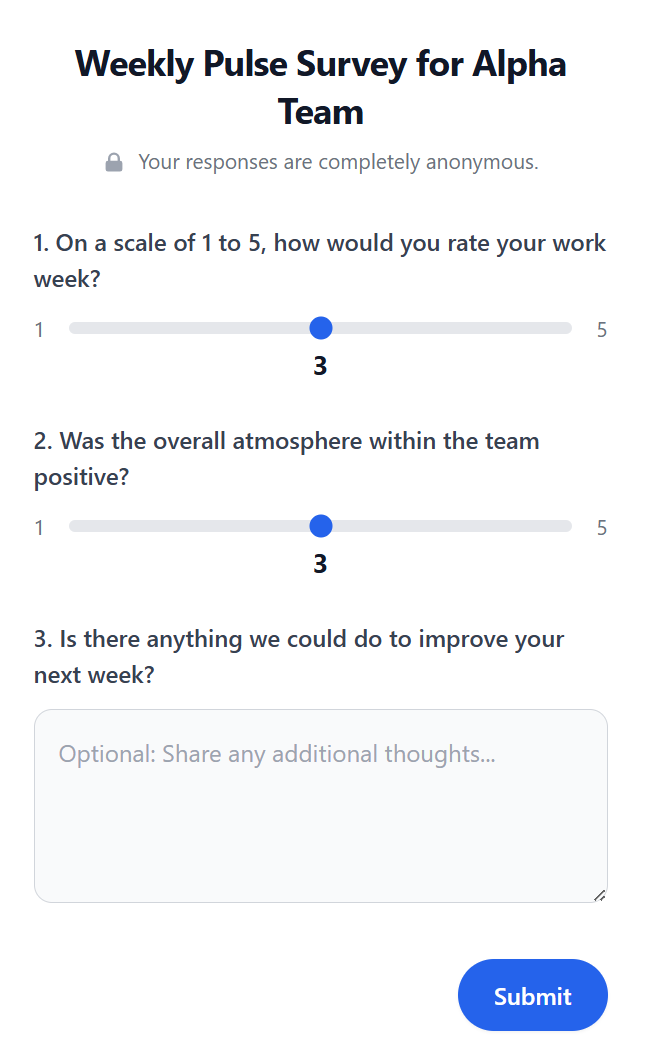
Leadership begins with listening. Sentialytics gives you the simplest tool to start listening systematically and anonymously, to understand what your team really thinks and act not just as a manager, but as a true leader.
Start Now