Sometimes you notice it in the little things. Fewer smiles on calls, a missed deadline here and there, a general sense of fatigue that never seems to go away. As a manager, you have a sixth sense for these things. You feel that the team isn't running as smoothly as it should, that there's a creeping malaise, an "unspoken" something weighing down the air.
We often call it stress, sometimes burnout. But beyond the labels, it's a problem that affects people. And when it affects people, it inevitably affects the business.
The question you may not have had time to ask yourself, caught up in a thousand urgent tasks, is this: what is the real cost to your company of a team working with the handbrake on?
The Hidden Costs No One Invoices
As consultants, we often see brilliant managers focused on daily operations. It's normal. But let's take a step back for a moment and connect the dots between people's well-being and the company's bottom line. You might be surprised.
1. The Cost of Turnover (What You See and What You Don't)
Think about the last time a valuable team member left. Beyond the personal disappointment, you had to manage the extra workload, find a replacement, train them... Research shows that the real cost of replacing an employee can range from 90% to 200% of their annual salary. If one of your employees earns €30,000, their departure could cost you anywhere from €27,000 to €60,000. A huge expense, often caused by preventable burnout.
2. The Cost of Vanishing Productivity
Worse than an employee who leaves is an employee who stays but has already "resigned" mentally. They are present, but not engaged. This translates into an estimated 18% drop in productivity and a 37% higher rate of absenteeism. Less proactivity, more mistakes, missed deadlines. It's like driving a car with a flat tire: you can keep going, but you're wasting an enormous amount of energy.
3. The "Tax" of Disengagement
And now for the most powerful statistic. The cost of an actively disengaged employee is estimated to be 34% of their annual salary. Basically, for every three unmotivated employees, you're paying one who produces absolutely nothing. It's not a line item on the budget; it's a hidden tax on your team's untapped potential.
This thought-provoking data isn't just an estimate; it comes from one of the most authoritative studies on the world of work: the “State of the Global Workplace 2024” report by Gallup.
Turning a Cost into an Opportunity
Reading these numbers can be disheartening, but the good news is you don't have to passively accept them. These aren't unchangeable facts; they are risk signals. And every risk, if managed, can become an opportunity.
The opportunity to build a work environment where people feel heard and valued. The opportunity to act on small problems before they become big ones. The opportunity to turn the cost of malaise into an investment in well-being with a visible financial return.
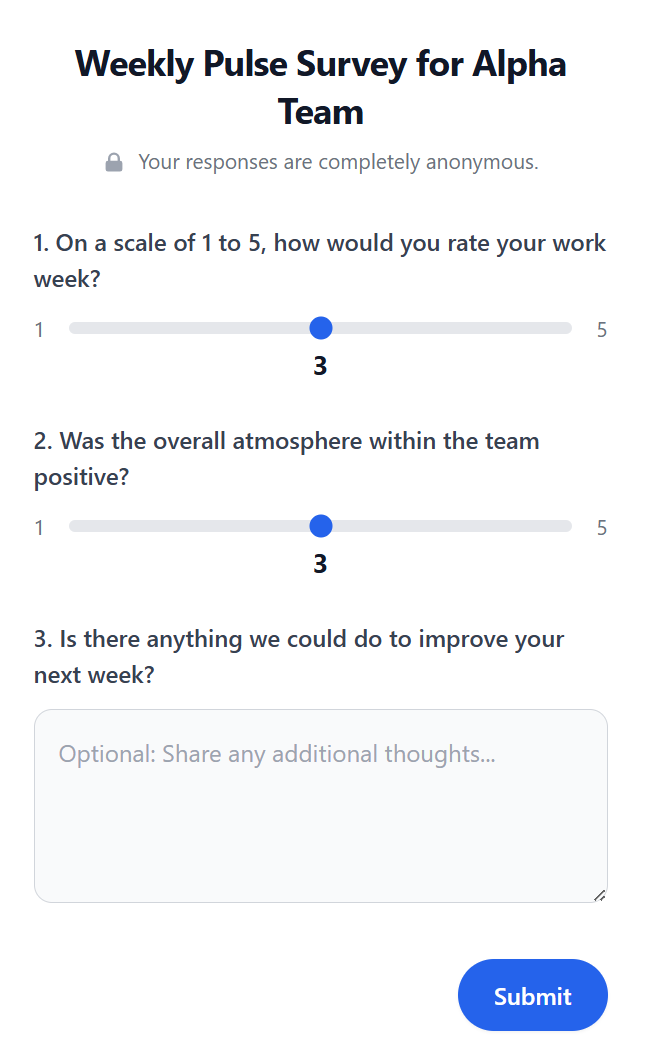
The first step to reclaiming this value is to start listening differently. Not with annual surveys that no one wants to fill out, but with a constant, light, and honest pulse.
Ready to take action?
Discover how Sentialytics can give you the clarity you need to act before malaise becomes a cost. Turn data into dialogue and sentiment into a competitive advantage.
Start Now